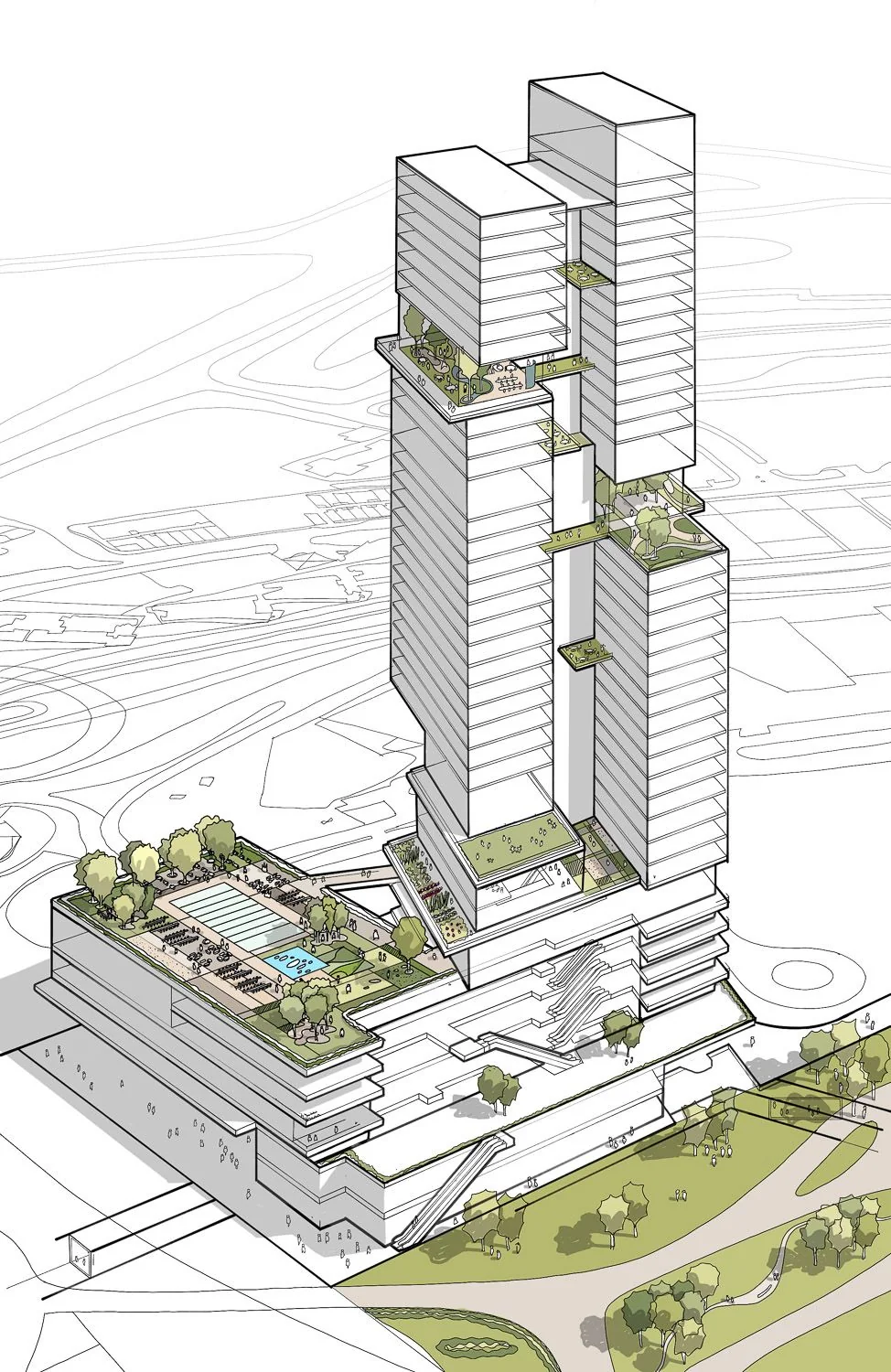
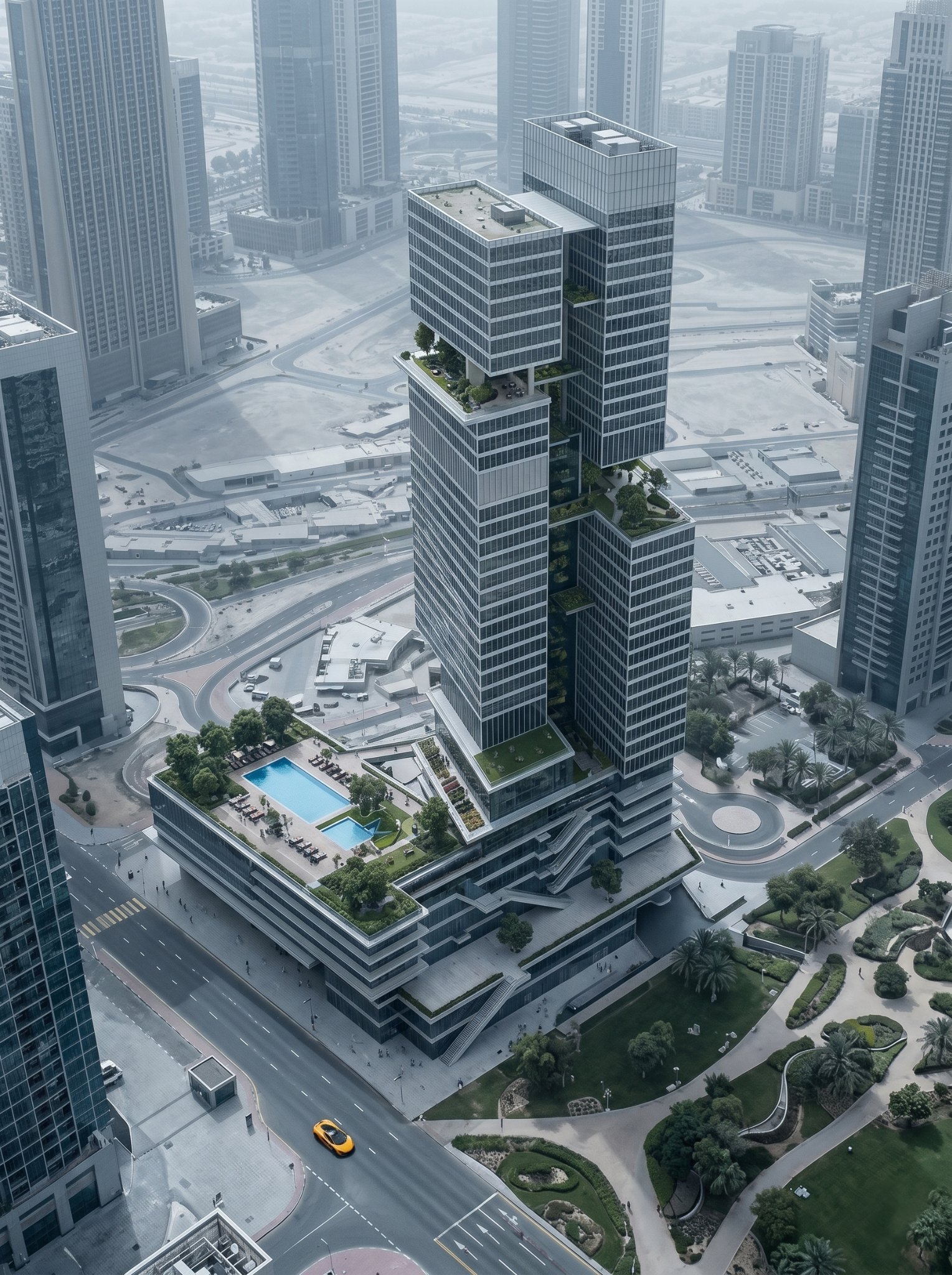
Viewport / concept → Photoreal high-rise
Preserve massing, façade rhythm, visible openings, camera composition and project identity while directing realism, materials, lighting and atmosphere.
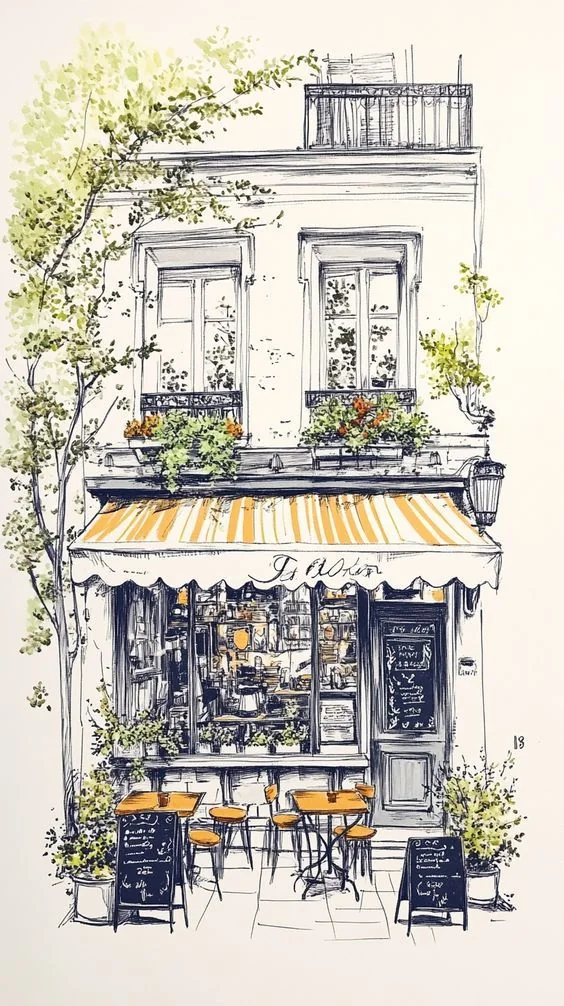
AKN Visual Translator AI helps architects and 3D visualizers convert approved 3ds Max and SketchUp views into structured AI-ready direction while keeping geometry, camera, framing and design intent clearly defined.
Use the active production camera, viewport or SketchUp scene, transfer a lightweight viewport image plus scene metadata through the local Scene Connector, choose what must stay fixed, then generate a source-aware prompt for your preferred external AI platform.
The point is not to redesign the approved scene. The point is to communicate what the source already establishes and direct only the permitted visual change.
Preserve massing, façade rhythm, visible openings, camera composition and project identity while directing realism, materials, lighting and atmosphere.
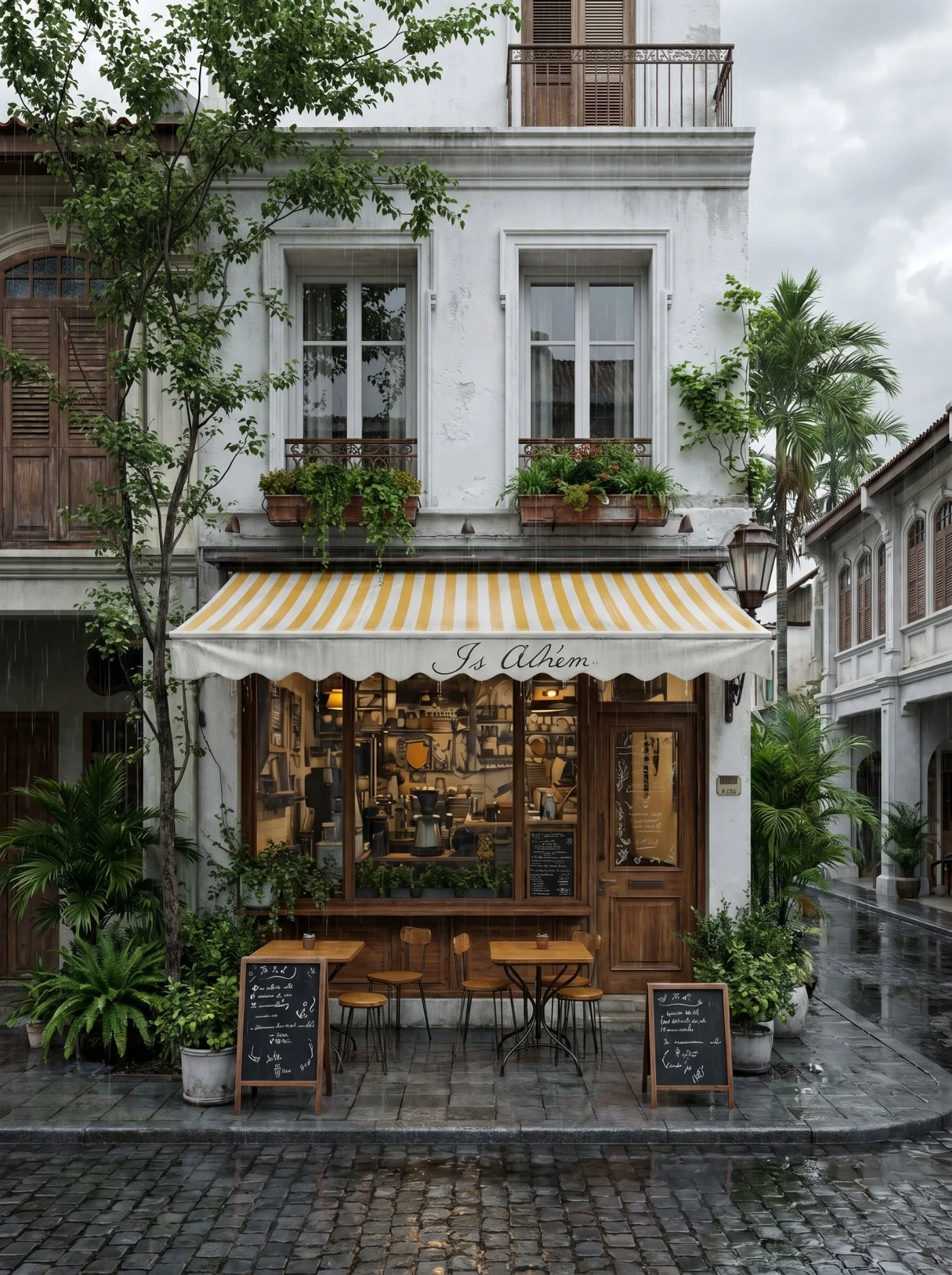
AKN separates what must remain authoritative from what the external AI is allowed to reinterpret, helping reduce avoidable design drift.
Keep the approved 3ds Max or SketchUp view in control from scene capture through final prompt direction.
Activate the intended 3ds Max production camera/viewport or approved SketchUp scene and send the viewport image plus lightweight scene metadata through the local connector.
Confirm framing and aspect, then define geometry, camera, material, lighting and other source details that must remain authoritative.
Create a detailed source-aware prompt, inspect it for conflicts and use it with the selected external AI image platform.
State the source structure, proportions and visible architectural relationships as preservation priorities.
Keep the active camera, perspective, framing and visible field of view aligned with the approved source.
Reuse project authority so related shots can follow the same design identity and material logic.
Direct material intent while protecting existing material zoning and non-target design details.
When source lighting is locked, prompt direction stays within the represented scene lighting instead of inventing fixtures.
Transfer viewport imagery and prompt-relevant metadata locally without uploading the complete .max project file.
| Generic AI workflow | AKN workflow |
|---|---|
| Prompt written mainly from memory | Prompt built around the actual source view and project rules |
| Geometry can drift | Geometry and proportions are explicitly prioritized for preservation |
| Camera can change | Camera, perspective and framing remain directed |
| Each shot may feel unrelated | Project identity can be carried across related views |
| Repeated manual prompt editing | Structured, inspectable prompt workflow |
Important product boundary: AKN Visual Translator AI is the prompt-intelligence and control layer between your 3D source and the external image-generation platform. It does not render the final image inside the application. Final output also depends on the selected AI model and source quality.
No. The Scene Connector is designed around a lightweight local bridge that transfers the active viewport image and prompt-relevant scene metadata rather than uploading the complete .max or .skp project file.
No. AKN prepares structured, source-aware prompts for use with compatible external AI platforms. The external platform performs the final image generation.
Yes. The workflow is designed to keep the active camera, framing, perspective, aspect and visible field of view explicitly represented in prompt direction.
Yes. AKN Visual Translator AI offers a 7-day trial so you can evaluate the workflow on your own compatible scenes and references.
Start with an approved viewport, preserve the scene authority and generate structured AI-ready direction for your visualization workflow.